


Intepat Logo
Search Icon
AboutWhy Intepat
Services
Patent Services
Patent Search ServicesPatent Prosecution ServicesPatent Support Services
Trademark Services
Trademark Search ServicesTrademark Registration Services
Design Protection Services
Copyright Services
Global IP Filing Services
CareersBlog
IP Resources
Patent Fees Calculator
Patent Renewal Fees Calculator
Trademark Classification Tool
Contact Us
Menu Toggle
Trademark

Can we trademark a building in India?

The concept of trademarking buildings began in the United States. Owners of such a trademark have the exclusive right to…
I
Intepat Interns
IP Specialist
Oct 24, 2017
3 min read
Home/Blog/Can we trademark a building in India?

The concept of trademarking buildings began in the United States. Owners of such a trademark have the exclusive right to use the trademark of the building in order to market their goods and services. Some examples in the United States include the Empire State Building in New York, the art deco spire of the Chrysler Building and the façade of the New York Stock Exchange etc. However, this idea is not restricted to the U.S. The Eiffel Tower in France and the Sydney Opera House are also trademarked buildings.

On the 19th of June 2017, history was written in India by the Indian Hotels Company Limited (IHCL) when they received protection for the exterior design of the Taj Mahal Palace Hotel- a building which has been an intrinsic part of Mumbai’s aesthetic appeal since the year 1903.
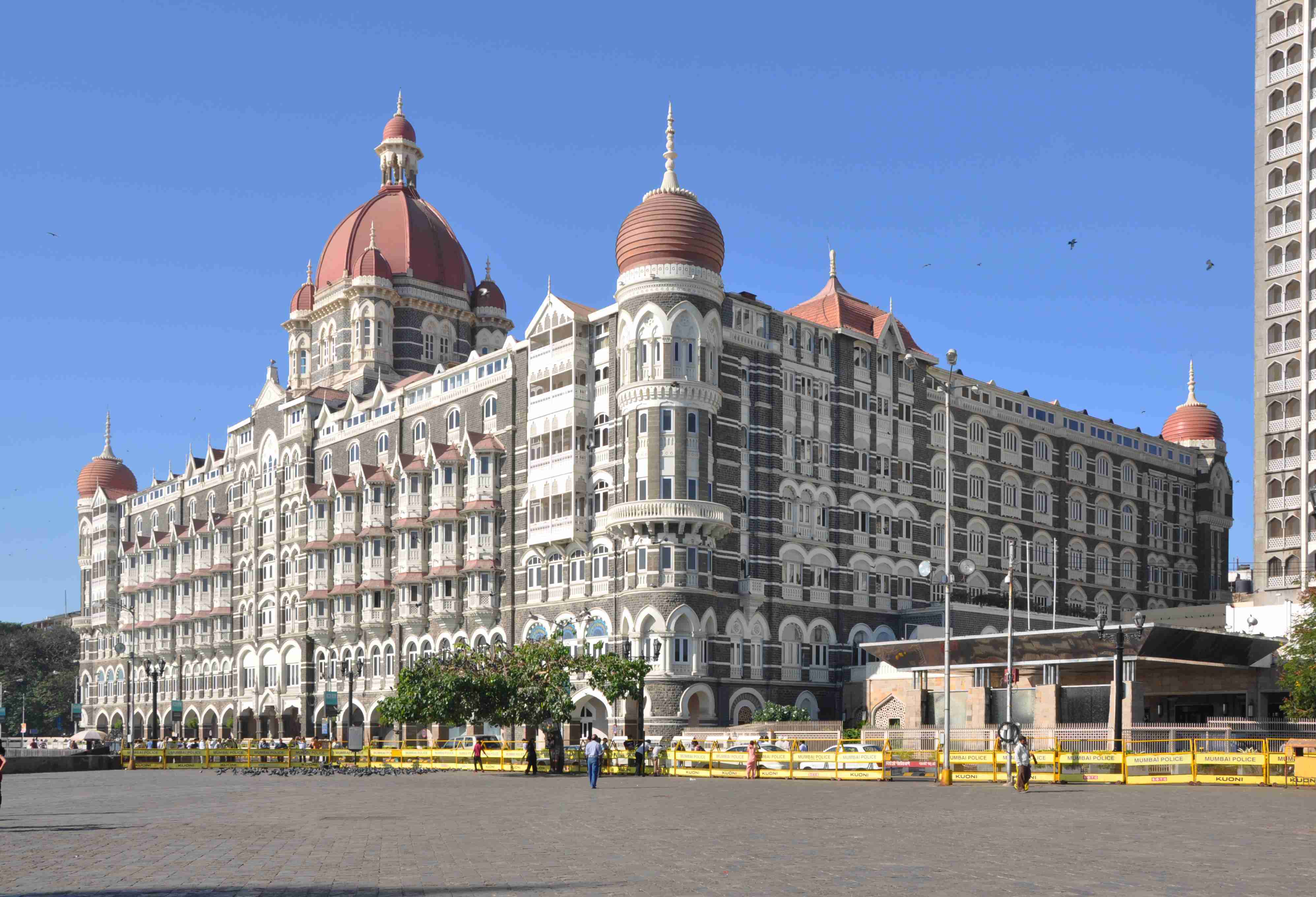
Can we trademark a building in India?

Why Protect Buildings At All?

There are two reasons why buildings need to be protected at all:

1. The design of the building may be unique and this serves, among other things, as a cultural representation and hence, it must be protected

2. To protect the building from what is known as ‘copycat architecture’- the practice of replicating architecture exactly or almost exactly

There are two requirements which have to be fulfilled in order for a building to be eligible for trademark:

1. The building must be capable of being graphically represented

2. The building must be capable of indicating the source of the goods and services

Granting a trademark for a Building: A Violation of the Common Man’s Right to Culture and Heritage?

The granting of the trademark for Mumbai’s Taj Mahal Palace has been largely celebrated, a lesser asked question is whether or not this trademark has somehow violated the rights of the common man- the citizen’s- towards their culture and heritage?

One particular objection to the trademark is that other sellers who wish to use the building for marketing other goods will not be permitted to do so without prior permission from the owner and the payment of royalties. For example, a producer of T-shirts which represent the city of Mumbai may want to use the building as representing Mumbai’s skyline. However, he cannot do so due to the trademark. Unlike copyright law, trademark law does not contain any option of “fair use”.

The right of a common person to his heritage is important. It is necessary to determine if the grant of the trademark is a violation of those rights.

In the general scheme of things, the grant of the trademark may be justified. The Taj Mahal Palace, though old and part of Mumbai’s culture, is a private building which does possess unique features. There are several other buildings which may be used to represent Mumbai’s skyline.

Conclusion

The concerns of the opponents of the grant of a trademark are valid. However, in this particular case, the trademark registration is not violating any right to the extent that there are no alternatives. Also, the registration of this trademark is important in the sense that it serves as an indication of the development of the law of trademark in India.

SHARE

Need Expert IP Advice?

Our specialists are here to help you protect your innovations globally.
Book Free Consultation
Response within 24 hours
TABLE OF CONTENTS
  • Why Protect Buildings At All?
  • Granting a trademark for a Building: A Violation of the Common Man’s Right to Culture and Heritage?
Related Articles
Trademark Watch in India: Detect Conflicting Marks Before the 4-Month Opposition Deadline
Mar 12, 2026
Single-Class vs. Multi-Class Trademark Filing India (2025)
Mar 10, 2026
Trademark Registration Fees in India (2026): Complete Cost Breakdown
Jan 7, 2026
Trademark Certificate Download in India: How to Get Your Trademark Registration Certificate
Jan 5, 2026
IP Tools
Patent Fees CalculatorPatent Renewal Fees CalculatorTrademark Classification Tool

Need Expert IP Advice?

Our specialists are here to help you protect your innovations globally.
Book Free Consultation
Response within 24 hours
SHARE
Related Articles
Trademark Watch in India: Detect Conflicting Marks Before the 4-Month Opposition Deadline
Mar 12, 2026
Single-Class vs. Multi-Class Trademark Filing India (2025)
Mar 10, 2026
Trademark Registration Fees in India (2026): Complete Cost Breakdown
Jan 7, 2026
Trademark Certificate Download in India: How to Get Your Trademark Registration Certificate
Jan 5, 2026
I
About the Author
Intepat Interns
Intepat Interns contribute to research and content development under the supervision of the Intepat Team, comprising registered patent agents, trademark attorneys, and IP specialists at Intepat IP, Bangalore. The team handles patent and trademark prosecution, design protection, and global IP advisory.

Ready to Secure Your IP?

Join 2,000+ businesses that trust Intepat for their global IP strategies.

Get Started TodayExplore Our Services

Protect Your IP

Get a response from a patent or trademark specialist within 24 hours. All consultations and information remain 100% confidential.

Our Office

location

No:8, 1st Floor, 15th Cross, 100 Feet Ring Road, JP Nagar 6th Phase, Bangalore – 560078, INDIA

email

contact@intepat.com

phone

+91-80-42173649

hours

Working Hours: 09:30 AM - 6:30 PM
(Mon - Fri)

closed

Closed on: Saturday, Sunday & Public Holidays

LinkedInTwitterInstagramFacebookYouTube
Intepat logo
TermsPrivacyRefundIP ServicesContact
© Copyright 2026 - Intepat.com